
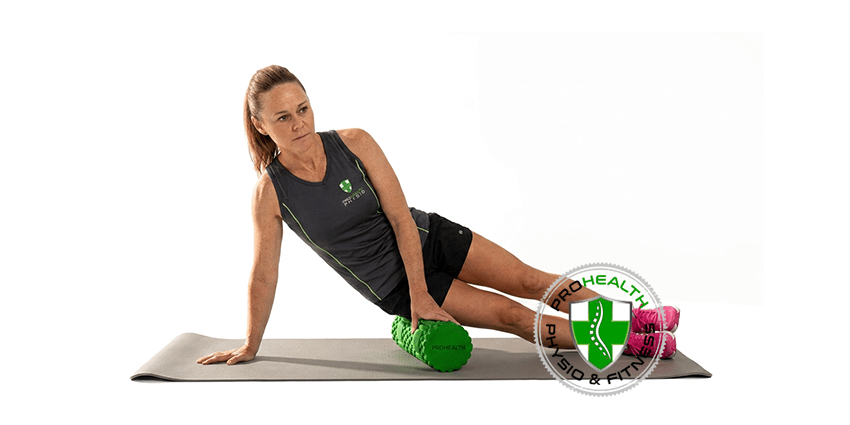
Foam rolling is an optional self-massage technique. It may briefly improve movement range or make soreness feel more manageable for some people, but it is not essential for recovery or a way to diagnose the cause of pain.
What research suggests
A review of studies in healthy adults found an immediate improvement in joint range of motion compared with no activity, without a clear advantage over stretching. That does not establish that foam rolling treats every injury, prevents injuries or is the best choice for every person.
Use a comfortable approach
- Choose a position and pressure you can control.
- Move slowly and keep breathing comfortably.
- Avoid forcing pressure onto bones, joints or areas that cause tingling or numbness.
- Stop if pain is sharp, severe or worse afterwards.
There is no single duration or pressure that everyone needs. More discomfort is not evidence that an exercise or treatment is working. A warm-up, strength programme or rehabilitation plan can be useful without a foam roller.
When assessment comes first
A recent fracture, significant injury, unexplained swelling, skin damage or a relevant circulation or bone-health condition may make rolling inappropriate. Ask a clinician if you are unsure. An unexplained swollen, warm or red calf needs prompt medical assessment rather than massage.
If tightness keeps returning
A physiotherapist can assess symptoms and relevant movement, while an exercise physiologist can help review suitable training and recovery. The aim is to choose a manageable plan rather than repeatedly pressing harder on the same sore area.
Frequently asked questions
Does foam rolling break up scar tissue?
The evidence does not establish that a roller breaks up scar tissue or permanently reshapes a muscle. Short-term changes in movement or comfort do not prove structural repair.
Must I roll before every workout?
No. It is optional. A suitable warm-up and training plan can be used without it.
Should foam rolling be painful?
It should not cause severe pain, tingling or a lasting increase in symptoms. Reduce the pressure or stop and seek advice when needed.
Support at PROHEALTH in Lane Cove
Book physiotherapy for persistent symptoms or exercise physiology for help reviewing a suitable training and recovery plan.
Call (02) 8317 7770 if you would like help choosing an appointment. Read our appointment FAQs before your visit.