
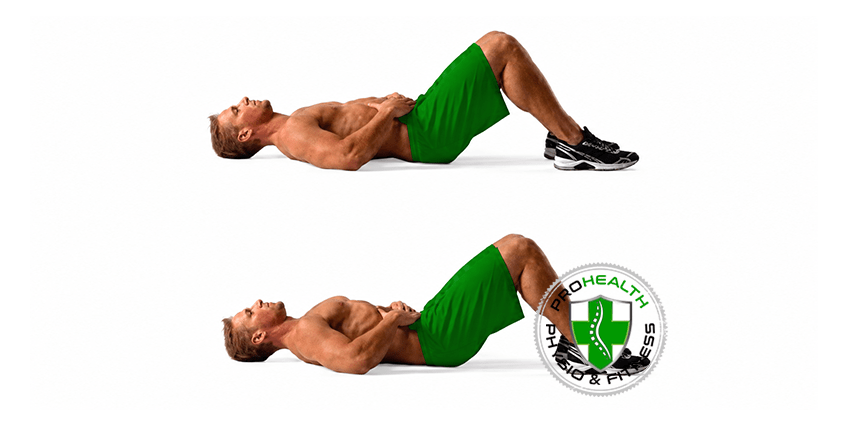
Back pain is one of the most common musculoskeletal conditions affecting Australians. Whether you're dealing with occasional stiffness, recurring discomfort, or persistent lower back pain, you may have heard that strengthening your abdominal muscles can help.
We get asked, "Can a stronger core ease back pain?" The short answer is yes! Improving core strength may reduce some types of back pain by increasing spinal support, enhancing movement control, and improving overall physical capacity. Back pain, however, is rarely caused by a single factor, and the most effective treatment approach depends on your individual assessment, symptoms, health history, and lifestyle.
The Connection Between Core Strength and Back Pain
Your "core" is much more than just the visible abdominal muscles. It is a complex system of muscles that work together to support your spine, pelvis, and trunk during daily movement.
The core includes:
- Abdominal muscles
- Deep spinal stabilising muscles
- Pelvic floor muscles
- Diaphragm
- Hip and pelvic stabilisers
When these muscles function effectively, they help distribute forces through the body during activities such as:
- Walking
- Sitting
- Lifting
- Running
- Exercising
- Household and work tasks
If core muscles become weak, poorly coordinated, or lack endurance, certain structures in the lower back may experience increased stress. In some individuals, improving core function can reduce discomfort, improve movement confidence, and support long-term back health.
What Causes Lower Back Pain?
Back pain is often multifactorial, meaning several contributing factors may be involved. While reduced core strength can play a role, it is rarely the sole cause.
Common contributors to lower back pain include:
- Muscle strains and soft tissue injuries
- Poor movement patterns
- Prolonged sitting
- Reduced physical activity
- Heavy or repetitive lifting
- Deconditioning and loss of strength
- Stress and psychological factors
- Poor sleep quality
- Previous back injuries
- Age-related changes
Fortunately, most episodes of back pain are not caused by serious injury. However, symptoms that are severe, persistent, or worsening should always be assessed by a healthcare professional.
How Can Strengthening My Core Help with Back Pain?
- Improved Spinal Stability - The abdominal muscles help create stability around the trunk and spine. Improved stability may help reduce excessive movement and improve load distribution during everyday activities
- Better Movement Control - Strong, coordinated core muscles allow the body to move more efficiently. Improved movement control can reduce unnecessary strain on joints, muscles, and spinal structures
- Increased Physical Capacity - As strength and endurance improve, many people find it easier to perform work duties, exercise, recreational activities, and daily tasks without discomfort
- Greater Confidence With Movement - Persistent back pain can often lead to fear of movement and avoidance of activity. A structured strengthening program may help restore confidence and encourage a safe return to normal activities
Best Core Exercises for Back Pain
There is no single "best" abdominal exercise for everyone. The most effective exercises depend on your individual presentation, goals, and physical assessment findings.
Commonly prescribed exercises include:
- Abdominal Bracing - A foundational exercise that teaches gentle activation of the deep abdominal muscles while maintaining normal breathing patterns
- Modified Planks - Planks can improve core endurance and trunk stability when performed correctly and progressed gradually
- Bird Dog Exercise - The bird dog strengthens the trunk, hips, and shoulders while promoting spinal control and coordination
- Dead Bug Exercise - This exercise challenges core stability while keeping the spine in a comfortable and supported position
- Functional Strength Training - Exercises such as squats, lunges, step-ups, and loaded carries can improve overall strength, resilience, and movement efficiency
Important: Not every exercise is appropriate for every back condition. Individuals experiencing acute pain or living with specific spinal conditions should speak to our physiotherapists before beginning a new exercise program.
Can Physiotherapy Help Back Pain?
Physiotherapy can help identify the factors contributing to your symptoms and provide a targeted treatment plan.
A physiotherapist may assess:
- Movement patterns
- Strength and flexibility
- Joint mobility
- Functional limitations
- Occupational demands
- Sporting activities
- Previous injuries
- Symptom triggers
Based on assessment findings, treatment may include:
- Individualised exercise therapy
- Core strengthening programs
- Strength and conditioning
- Education and self-management strategies
- Manual therapy where appropriate
- Activity modification advice
- Return-to-work planning
- Return-to-sport rehabilitation
The goal is not simply to strengthen your core and abdominal muscles, but to improve the way your entire body moves and functions.
How Exercise Physiology Can Support Recovery
Accredited Exercise Physiologists (AEPs) can play an important role in helping people manage ongoing or recurrent back pain through evidence-informed exercise programs.
Exercise physiology may be particularly beneficial for individuals who:
- Have persistent or recurring back pain
- Are returning to exercise after injury
- Need supervised strengthening programs
- Want to improve fitness safely
- Have other medical conditions affecting exercise participation
Long-term exercise strategies often focus on building strength, fitness, confidence, and resilience to reduce future episodes of pain.
When Should You See a Physiotherapist for Back Pain?
Consider seeking professional assessment if:
- Pain persists for several weeks
- Symptoms interfere with daily activities
- Pain regularly returns
- Exercise increases symptoms
- You are unsure which activities are safe
- Your mobility or function is declining
Early assessment can help identify contributing factors and provide reassurance about safe movement and recovery.
Warning Signs That Require Urgent Medical Attention
Seek immediate medical assessment if your back pain is accompanied by:
- Significant trauma or injury
- Loss of bladder or bowel control
- Progressive weakness in the legs
- Numbness around the groin or saddle region
- Fever or unexplained weight loss
- Severe pain that continues to worsen
- Feeling significantly unwell
These symptoms may indicate a more serious condition and require prompt medical evaluation.
Practical Tips for Managing Back Pain
In addition to professional treatment, the following strategies may help manage symptoms:
- Stay active within your symptom limits
- Avoid prolonged sitting where possible
- Build strength gradually
- Maintain regular walking and exercise
- Prioritise quality sleep
- Use safe lifting techniques
- Follow an individualised rehabilitation plan
- Manage stress levels
When it comes to recovery, consistency is often more important than performing complex exercises.
Frequently Asked Questions
- Are weak abdominal muscles the main cause of back pain? No. Back pain is usually influenced by multiple factors, including strength, activity levels, sleep quality, stress, previous injuries, and lifestyle habits. Weak abdominal muscles may contribute in some cases but are rarely the sole cause
- How long does it take for core strengthening to help back pain? Results vary between individuals. Some people notice improvements within a few weeks, while others may require a longer rehabilitation period depending on the nature and duration of their symptoms
- Can I perform abdominal exercises during an episode of back pain? In many cases, appropriately prescribed exercise remains beneficial. However, exercise selection should be tailored to your condition, symptoms, and physical capacity
- Is walking good for lower back pain? Walking is often recommended because it promotes movement, circulation, fitness, and confidence. Most people tolerate walking well, although duration and intensity should be guided by symptoms
- Should I rest completely if my back hurts? Extended bed rest is generally not recommended for most cases of non-specific back pain. Maintaining an appropriate level of activity is often associated with better recovery outcomes
Need Help With Back Pain?
If you're experiencing back pain and wondering whether strengthening your abs could help, the team at PROHEALTH PHYSIO & FITNESS (EP) can assist.
Our experienced physiotherapists and Accredited Exercise Physiologists provide comprehensive assessments and personalised treatment plans designed around your symptoms, goals, and lifestyle. Whether you're recovering from a recent injury, managing persistent discomfort, or looking to improve strength and resilience, we can help you build a safe and effective pathway back to doing the activities you enjoy.
Book an appointment today at our leading Lane Cove clinic and take the next step toward moving with confidence.
Further Information
Source: Health Direct Australia
Title: Back Pain
Read time: 10 minutes
Source: Better Health Channel
Title: Back Pain
Read time: 5 minutes
Source: Australian Physiotherapy Association (APA)
Title: Physiotherapy and Back Pain
Read time: 5 minutes