
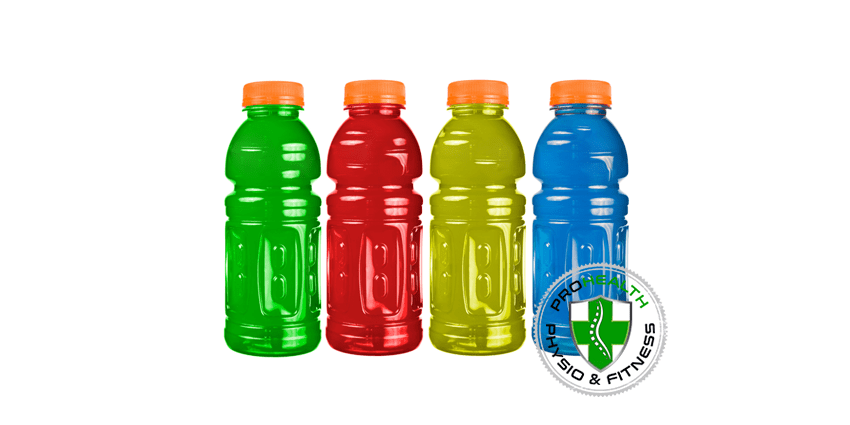
If your child plays sport, you've probably seen young athletes reaching for brightly coloured sports drinks before, during or after training. With professional athletes frequently promoting these products, many parents wonder whether sports drinks are essential for performance, hydration and recovery.
The truth is that most young athletes do not need sports drinks for everyday sport and exercise. For the majority of children and teenagers, water remains the best hydration choice, while a healthy, balanced diet provides the energy and nutrients required for activity and recovery.
Do Young Athletes Need Sports Drinks?
For most young athletes, water is the best drink before, during and after exercise.
Sports drinks may be beneficial during:
- Prolonged exercise lasting more than 60 to 90 minutes
- High-intensity training sessions
- Competition in hot and humid weather
- Multi-event tournaments requiring rapid recovery
For school sports, recreational activities and shorter training sessions, water and good nutrition are usually all that's needed.
What Are Sports Drinks?
Sports drinks are specially formulated beverages designed to support exercise performance by providing:
- Water for hydration
- Carbohydrates for energy
- Electrolytes such as sodium and potassium lost through sweat
Sports drinks are often confused with energy drinks, but they are not the same.
Sports Drinks vs Energy Drinks
Sports Drinks
- Hydration-focused
- Contain carbohydrates and electrolytes
- May be appropriate in specific sporting situations
Energy Drinks
- Often contain caffeine and stimulants
- Designed to increase alertness
- Generally not recommended for children and adolescents
While sports drinks have a role in certain circumstances, they should not replace water as an everyday beverage.
Why Hydration Is Important for Young Athletes
Proper hydration plays a critical role in athletic performance and overall health.
Benefits of staying hydrated include:
- Improved physical performance
- Better concentration and decision-making
- Effective body temperature regulation
- Enhanced recovery after exercise
- Improved health and wellbeing
Children can be more susceptible to heat-related issues because they may not always recognise thirst early and often generate considerable body heat during sport.
Signs of Dehydration in Young Athletes
Watch for symptoms such as:
- Thirst
- Dry mouth
- Headache
- Fatigue
- Dizziness
- Reduced sporting performance
- Dark-coloured urine
Encouraging regular fluid intake throughout the day helps establish healthy hydration habits and can reduce the risk of dehydration during exercise.
Do Most Young Athletes Need Sports Drinks?
In most cases, the answer is no.
Many junior athletes participate in:
- School sport
- Weekend sporting competitions
- Training sessions lasting less than 60 minutes
- Recreational exercise and fitness activities
For these types of activities, water is generally sufficient to maintain hydration and performance.
Sports drinks become more relevant when exercise demands increase significantly.
When Sports Drinks May Be Helpful
1. Long-Duration Exercise
Sports drinks can be beneficial during activities that exceed 60 to 90 minutes, particularly when sustained energy output is required.
Examples include:
- Long-distance running events
- Extended cycling sessions
- Tournament days
- Competitive team sports with multiple matches
The carbohydrate content may help maintain energy availability during prolonged exercise.
2. Hot and Humid Conditions
Sydney summers can place additional stress on young athletes.
When exercising in hot conditions, children may lose larger amounts of fluid and sodium through sweat. In these circumstances, sports drinks may assist with replacing both fluids and electrolytes.
3. Recovery Between Multiple Events
When athletes need to perform again within a short period, sports drinks may contribute to:
- Rehydration
- Carbohydrate replenishment
- Recovery between games or events
However, sports drinks should form only one part of a complete recovery strategy that also includes nutritious food, adequate sleep and appropriate rest.
Potential Downsides of Sports Drinks
Although sports drinks can be useful in certain sporting situations, they are not always the healthiest option for routine consumption.
Added Sugar
Many sports drinks contain substantial amounts of sugar. Consuming them when they are not needed can result in unnecessary energy intake.
Dental Health Concerns
The combination of sugar and acidity found in many sports drinks may increase the risk of:
- Tooth decay
- Dental erosion
- Long-term oral health issues
Excess Calorie Intake
Young athletes who regularly consume sports drinks without high training demands may be taking in more calories than they require.
Preference for Sweet Drinks
Frequent consumption can encourage children to choose sweet beverages over water, making healthy hydration habits more difficult to establish.
What Should Young Athletes Drink Instead?
For most sporting activities, the following hydration strategy is appropriate:
Before Exercise
- Drink water consistently throughout the day
- Eat a balanced meal or snack before activity
- Avoid starting exercise dehydrated
During Exercise
- Water is usually sufficient for sessions under 60 minutes
- Take regular drink breaks
- Increase fluid intake during hot weather
After Exercise
- Rehydrate with water
- Consume a nutritious recovery meal or snack
- Include carbohydrates and protein for recovery
- Continue drinking fluids until normal hydration levels are restored
Can Exercise Physiology Help Young Athletes?
Absolutely.
An Accredited Exercise Physiologist (EP) can provide evidence-based advice on hydration, performance and recovery strategies tailored to a child's age, sport and training demands.
At PROHEALTH PHYSIO & FITNESS (EP), our team can assist with:
- Sports performance assessments
- Training load management
- Recovery planning
- Hydration education
- Injury prevention strategies
- Safe return-to-sport programs
- Youth athlete conditioning
Every young athlete has unique needs, and personalised guidance can help support both sporting success and long-term health.
When Should You Seek Professional Advice?
Consider professional support if your child:
- Frequently experiences exercise-related cramps
- Becomes excessively fatigued during sport
- Experiences recurring heat-related symptoms
- Competes at a high level
- Has medical, nutritional or performance concerns
Seek urgent medical attention if a young athlete develops:
- Severe dizziness
- Confusion
- Collapse
- Signs of heat illness
- Any other serious symptoms during or after exercise
Frequently Asked Questions
Are sports drinks better than water?
Not usually. For most children and teenagers participating in regular sport and exercise, water remains the best hydration choice. Sports drinks are generally reserved for longer or more demanding activities.
What is the difference between sports drinks and energy drinks?
Sports drinks provide hydration, carbohydrates and electrolytes to support exercise. Energy drinks often contain caffeine and stimulants and are generally not recommended for children or adolescents.
Can children drink sports drinks every day?
Daily consumption is usually unnecessary. Water should remain the primary beverage for hydration, with sports drinks used selectively when sporting demands justify them.
How can I tell if my child is dehydrated?
Signs may include thirst, darker urine, headache, tiredness, poor concentration and decreased sports performance. Persistent symptoms should be discussed with a healthcare professional.
What is the best drink after junior sport?
For most young athletes, water combined with a healthy recovery meal or snack provides everything required for hydration and recovery without the added sugar often found in sports drinks.
Supporting Young Athletes in Lane Cove, Sydney
At PROHEALTH PHYSIO & FITNESS (EP), we are passionate about helping young athletes stay healthy, active and performing at their best. Whether your child participates in school sport, competitive athletics or community-based activities, our experienced Exercise Physiologists can provide personalised guidance on hydration, recovery, injury prevention and athletic development.
Book an Appointment
If you would like expert advice tailored to your child's sporting needs, our team is here to help.
Further Information:
Source: Health Direct Australia
Title: Water Drinks and Hydration
Read Time: Approximately 5 minutes
Source: Better Health Channel
Title: Water – a vital nutrient
Read Time: Approximately 6 minutes