by PROHEALTH | May 10, 2021 | Did You Know, Exercise Physiology, Fitness, Physio
Cardiovascular disease (CVD) is the number one cause of mortality (death) worldwide. The risk of CVD increases due to unhealthy exercise/dietary habits, obesity, smoking poor physical activity & alcohol use. Running can help reduce the risk of CVD. A 2014 study...

by PROHEALTH | May 3, 2021 | Exercise Physiology, Fitness, Physio
Running is one of the most effective ways to boost cardiovascular health, build endurance, and support mental wellbeing. Whether you’re a beginner or a seasoned runner, there’s always room to improve your running technique, performance, and recovery. At...

by PROHEALTH | Mar 26, 2021 | Exercise Physiology, Our Team
Meet Andrew, PROHEALTH’s newest Accredited Exercise Physiologist! Andrew graduated from the University of Sydney with a Bachelor’s in Applied Science (Exercise Physiology) and loves to apply his knowledge and expertise to assist people from all walks of life. Andrew...
by PROHEALTH | Nov 16, 2020 | Exercise Physiology, Physio
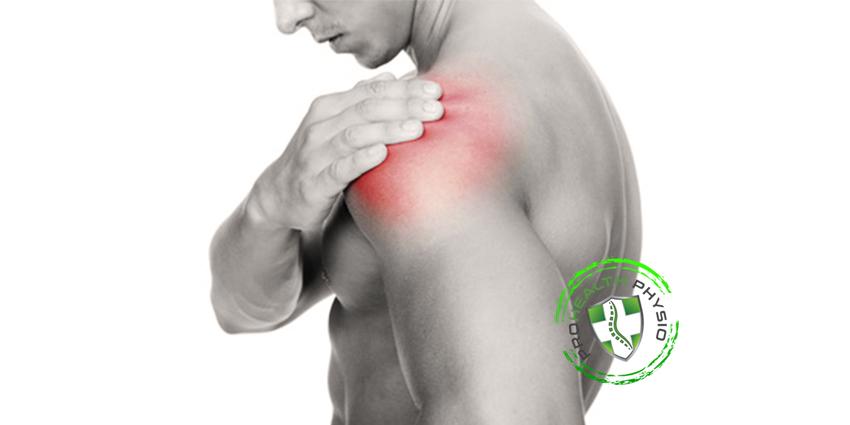
SLAP lesion, also known as superior labrum anterior to posterior lesions, is a tear in the labrum of the shoulder. Labrum is a cartilage in the shoulder which is a primary attachment site of the shoulder ligament and biceps tendon. It helps to stabilise the shoulder...

by PROHEALTH | Oct 12, 2020 | Exercise Physiology, Fitness, Physio
With the winter netball season having come to a close, we hope your knees are ok! Knee injuries are the most common injuries in netball and it mainly involves the soft tissues in the joint. Many athletes leave the game after ACL tears, so preventing knee injuries is...

by PROHEALTH | Aug 17, 2020 | Exercise Physiology, Fitness, Physio
With easing COVID-19 restrictions, the netball season begins anew! Netball is Australia’s most played women’s sport, a great achievement, but concerning for players with past injuries, especially post‑lockdown. At PROHEALTH Physio & Fitness, we reviewed research...