
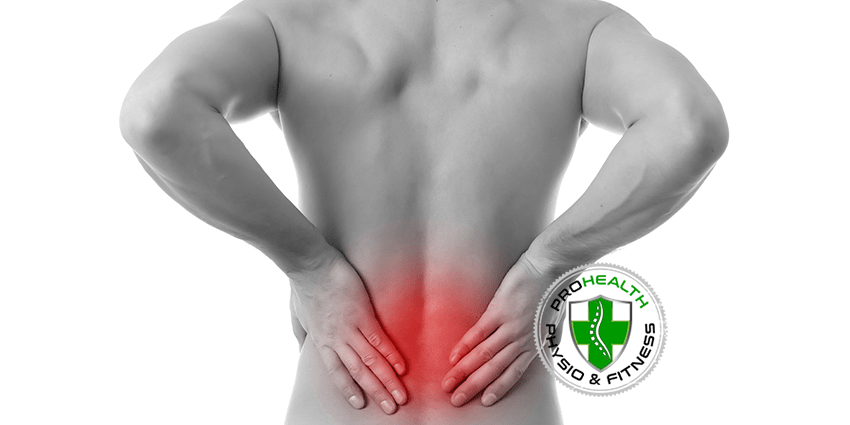
Many people assume that every episode of back pain is caused by a damaged or bulging disc. In reality, back pain is not always disc-related; this is an important concept to understand. Back pain can arise from several structures and factors, including muscles, joints, nerves, movement habits, activity levels, stress and general health.
Understanding Causes of Back Pain
Many people assume that every episode of back pain is caused by a damaged or bulging disc. In reality, back pain is not always disc-related; this is an important concept to understand. Back pain can arise from several structures and factors, including muscles, joints, nerves, movement habits, activity levels, stress and general health.
Direct answer: Back pain is not always caused by a spinal disc problem. Many cases are related to muscles, joints, ligaments, reduced physical conditioning, lifestyle factors or age-related changes. A thorough assessment can help identify contributing factors and guide the most appropriate management plan.
Why Do People Associate Back Pain With Discs?
The discs sit between the bones of the spine and help absorb forces during movement. Because disc bulges and disc degeneration are commonly identified on scans, many people assume they are responsible for all back pain.
However, research has shown that many people without back pain also have age-related disc changes visible on imaging. This means that scan findings do not always explain symptoms.
For this reason, healthcare professionals assess your symptoms, movement and function rather than relying solely on imaging results.
What Causes Back Pain?
There are many potential lower back pain causes, including:
- Muscle strains and overload
- Joint irritation within the spine
- Ligament injuries
- Reduced strength and conditioning
- Prolonged sitting
- Repetitive bending or lifting
- Poor sleep
- Stress and emotional factors
- Previous injuries
- Age-related changes
Often, more than one factor contributes to symptoms at the same time.
Can Muscles Cause Back Pain?
Yes. Muscles are one of the most common sources of back pain.
Activities such as lifting, gardening, sport, prolonged sitting or unaccustomed exercise can place extra demands on the muscles supporting the spine. Fatigue, weakness or muscle overload may contribute to pain and stiffness.
Most muscle-related back pain improves gradually with appropriate activity, exercise and management.
Can Joints Cause Back Pain?
The joints of the spine can also become sensitive and painful.
These joints help guide movement and provide stability. Irritation may develop due to repetitive loading, prolonged postures, reduced movement variety or age-related changes.
Joint-related symptoms may be aggravated by certain positions or movements and can often improve with a structured rehabilitation approach.
Does Imaging Always Find The Cause?
Not necessarily.
Many imaging findings, such as disc bulges, degeneration and arthritic changes, are common in people who have no pain at all. This is particularly true as people get older.
Imaging can be valuable in certain circumstances, but for most episodes of non-specific back pain, a detailed clinical assessment is often more useful than a scan alone.
Your physiotherapist can help determine whether imaging is likely to be beneficial.
Can Stress Affect Back Pain?
Stress can influence how pain is experienced.
Periods of increased stress may contribute to:
- Muscle tension
- Reduced sleep quality
- Increased sensitivity to pain
- Reduced physical activity
- Slower recovery
This does not mean the pain is imagined. Rather, physical and psychological factors often work together and influence symptoms.
Managing stress, maintaining activity and improving overall health may support recovery.
Can Physiotherapy Help Back Pain?
Physiotherapy may help identify the factors contributing to your symptoms and provide an individualised treatment plan.
Depending on your assessment, treatment may include:
- Exercise therapy
- Strength and conditioning programs
- Movement retraining
- Manual therapy when appropriate
- Activity modification advice
- Education about pain and recovery
- Return to work or sport guidance
The goal is to improve function, confidence and physical capacity while helping you return to activities that matter to you.
How Can Exercise Physiology Help?
An Accredited Exercise Physiologist can assist with structured exercise programs designed to improve strength, fitness and long-term spinal health.
Exercise physiology may be particularly beneficial for people who:
- Experience recurrent back pain
- Want to return to exercise safely
- Need a supervised rehabilitation plan
- Have reduced fitness levels
- Have other medical conditions affecting exercise participation
Exercise programs should always be tailored to your symptoms, goals and physical capacity.
What Can You Do To Support Recovery?
Many people benefit from simple self-management strategies, including:
- Staying active within comfortable limits
- Avoiding prolonged bed rest
- Walking regularly
- Gradually increasing strength and fitness
- Taking movement breaks during prolonged sitting
- Prioritising sleep quality
- Following professional advice
Recovery is often supported by maintaining appropriate activity levels rather than avoiding movement completely.
When Should You See A Physiotherapist?
Consider seeking assessment if:
- Pain persists beyond a few weeks
- Symptoms are affecting daily activities
- Back pain keeps recurring
- You are avoiding movement because of pain
- You are unsure which exercises are appropriate
- Symptoms are affecting work, recreation or sleep
A physiotherapist can help determine possible contributing factors and develop a management plan based on your needs.
Warning Signs Requiring Urgent Medical Attention
Seek urgent medical assessment if back pain occurs alongside:
- Loss of bladder or bowel control
- Numbness around the groin or saddle area
- Significant trauma
- Progressive leg weakness
- Unexplained weight loss
- Fever or feeling generally unwell
- Severe worsening pain
These symptoms require prompt medical review.
Frequently Asked Questions
- If my scan shows a disc bulge, is that definitely causing my pain? Not always. Disc bulges are common findings, particularly with increasing age, and many people with disc bulges have no symptoms. A clinical assessment helps determine whether imaging findings are relevant to your presentation.
- What is non disc related back pain? Non disc related back pain refers to symptoms that may arise from muscles, joints, ligaments, general deconditioning, lifestyle factors or other contributors rather than a spinal disc injury.
- Should I have a scan for back pain? Not everyone requires imaging. Many people recover well without a scan. Your healthcare professional may recommend imaging if specific symptoms, clinical findings or warning signs are present.
- Is exercise safe when I have back pain? In many cases, appropriate exercise is beneficial and may support recovery. However, exercise selection should be individualised based on your condition, symptoms and assessment findings.
- Can back pain improve without surgery? Yes. Most episodes of back pain improve with conservative management such as education, exercise, activity modification and physiotherapy. Treatment recommendations depend on your specific circumstances.
Need Help?
If you are experiencing back pain and are unsure whether a disc problem is responsible, the team at PROHEALTH PHYSIO & FITNESS (EP) can help. Our physiotherapists and Accredited Exercise Physiologists provide comprehensive assessments to identify potential contributing factors and develop an individual treatment or exercise plan.
Whether your symptoms are recent, recurring or limiting your daily activities, we can help you understand your condition and work towards meaningful recovery at our Lane Cove, Sydney clinic. Book Online
Further Information
Source: Health Direct Australia
Title: Back Pain
Read time: 10 minutes
Source: Better Health Channel
Title: Back Pain
Read time: 5 minutes
Source: Australian Physiotherapy Association (APA)
Title: Physiotherapy and Back Pain
Read time: 5 minutes