Muscle tightness, post exercise soreness and reduced mobility can make movement less comfortable and affect your training or daily activities. Foam rolling is a popular self management technique that may help improve movement and reduce feelings of muscle stiffness. This guide explains how foam rolling works, when to use it and how to do it safely.
What Is Foam Rolling?
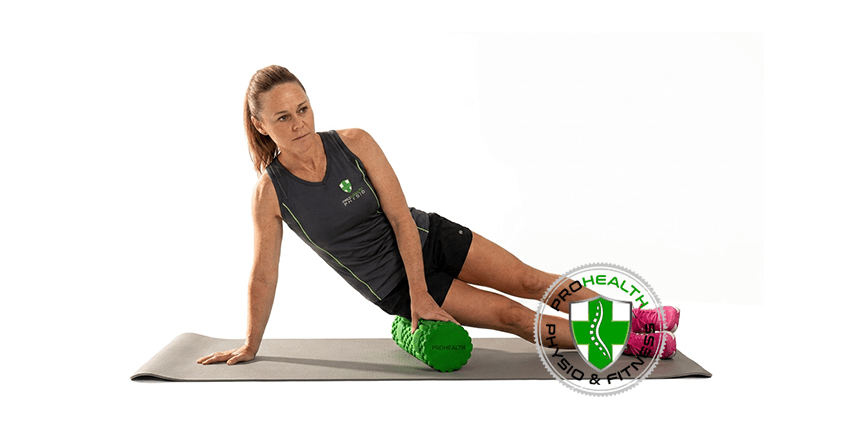
Foam rolling is often described as a form of self myofascial release. It involves using your body weight to apply pressure to specific muscle groups with a foam roller.
Common areas people target include:
- Calves
- Quadriceps (front of the thigh)
- Hamstrings (back of the thigh)
- Gluteal muscles
- Upper back
- Side of the hip
Foam rolling is commonly used before or after exercise and may be incorporated into rehabilitation programs prescribed by a physiotherapist or Accredited Exercise Physiologist.
How Does Foam Rolling Work?
Researchers are still investigating the exact mechanisms behind foam rolling. Current evidence suggests that foam rolling may:
- Improve short term flexibility and range of motion
- Reduce the sensation of muscle tightness
- Increase blood flow to the area
- Support post exercise recovery
- Help prepare the body for movement
It is important to understand that foam rolling does not permanently change muscle length or "break up" scar tissue as is sometimes claimed. Instead, its effects are likely related to changes in how the nervous system responds to pressure and movement.
What Are the Benefits of Foam Rolling?
May Improve Mobility
One of the most consistent findings in research is that foam rolling can improve short term flexibility and joint range of motion without significantly reducing strength or power.
This can be useful before exercise, sport or other physical activities that require movement through larger ranges.
May Reduce Muscle Soreness
After intense exercise, some people experience delayed onset muscle soreness (DOMS). Foam rolling may help reduce the severity of soreness and improve comfort during recovery.
Can Support Exercise Performance
When used as part of a warm up, foam rolling may help improve movement quality and make exercise feel easier. It should be combined with dynamic movement and sport specific preparation.
Encourages Body Awareness
Foam rolling can help you become more aware of areas of tension or stiffness in your body, which may assist with self management between appointments.
When Should You Use Foam Rolling?
Foam rolling may be appropriate:
- Before exercise as part of a warm up
- After exercise during recovery
- On rest days for gentle mobility work
- As part of a rehabilitation program
The ideal timing and technique depend on your goals, injury history and physical condition.
How to Foam Roll Safely
For most muscle groups:
- Position the roller under the target muscle.
- Slowly roll along the length of the muscle.
- Pause briefly on tender areas if comfortable.
- Continue breathing normally.
- Spend approximately 30 to 90 seconds per muscle group.
General tips include:
- Roll slowly rather than quickly.
- Avoid excessive pain.
- Focus on relaxed breathing.
- Combine foam rolling with appropriate stretching and strengthening exercises.
More pressure is not always better. Excessive force may increase discomfort without improving outcomes.
Are There Any Risks?
Foam rolling is generally safe for many people. However, it may not be suitable in some situations.
Avoid or seek professional advice if you have:
- A recent fracture
- Acute significant injury
- Severe osteoporosis
- Certain circulatory conditions
- Open wounds or skin infections
- Unexplained pain or swelling
If you are unsure, consult a healthcare professional before starting.
Can Physiotherapy Help With Muscle Tightness?
Yes. While foam rolling may provide short term relief, persistent tightness often has underlying contributing factors.
A physiotherapist can assess:
- Joint mobility
- Muscle strength
- Movement patterns
- Training loads
- Previous injuries
Treatment may include hands on therapy, exercise prescription, movement retraining and education. The goal is to address the factors contributing to your symptoms rather than simply managing them temporarily.
What Might an Assessment Involve?
At PROHEALTH PHYSIO & FITNESS (EP), an assessment may include:
- Discussion of your symptoms and goals
- Review of activity and exercise habits
- Physical examination
- Mobility and strength testing
- Individualised recommendations
Depending on your assessment findings, your physiotherapist or Accredited Exercise Physiologist may recommend foam rolling alongside other targeted strategies.
When Should You See a Physiotherapist?
Consider booking an assessment if:
- Tightness frequently returns
- Pain limits daily activities or sport
- You have reduced mobility affecting performance
- Symptoms have been present for several weeks
- You are unsure whether foam rolling is appropriate
Seek urgent medical attention if you develop severe pain, significant swelling, unexplained weakness, loss of function or symptoms following a major injury.
Frequently Asked Questions
Does foam rolling hurt?
Foam rolling may feel uncomfortable on sensitive areas, but it should not cause severe pain. Moderate pressure is usually sufficient. If pain is intense or symptoms worsen afterwards, stop and seek professional advice.
How often should I foam roll?
Many people use foam rolling several times per week. The ideal frequency depends on your activity levels, goals, recovery needs and individual response.
Is foam rolling better than stretching?
They serve different purposes. Foam rolling may help reduce feelings of tightness and improve movement, while stretching targets flexibility. Many people benefit from using both approaches.
Can foam rolling prevent injuries?
There is limited evidence that foam rolling alone prevents injuries. However, it may form part of a broader program that includes strength training, mobility exercises and appropriate load management.
Should I foam roll before or after exercise?
Both can be appropriate. Before exercise, foam rolling may help prepare your body for movement. After exercise, it may support recovery and reduce feelings of stiffness.
Need Help?
If persistent muscle tightness, soreness or mobility restrictions are affecting your exercise, work or daily activities, PROHEALTH PHYSIO & FITNESS (EP) can help. Our team in Lane Cove, Sydney provides comprehensive assessments and personalised treatment plans designed around your goals, activity levels and health history.
Whether you are returning from injury, improving sports performance or looking to move more comfortably, we can help determine whether foam rolling and other rehabilitation strategies are appropriate for you.
Further Information
Source: Healthdirect Australia
Title: Healthdirect Australia Physical Activity Information
Read time: Approximately 5 minutes
Source: Australian Physiotherapy Association
Title: Australian Physiotherapy Association Consumer Health Information
Read time: Approximately 5 minutes
Source: Exercise and Sports Science Australia
Title: Exercise and Recovery Resources
Read time: Approximately 5 minutes