
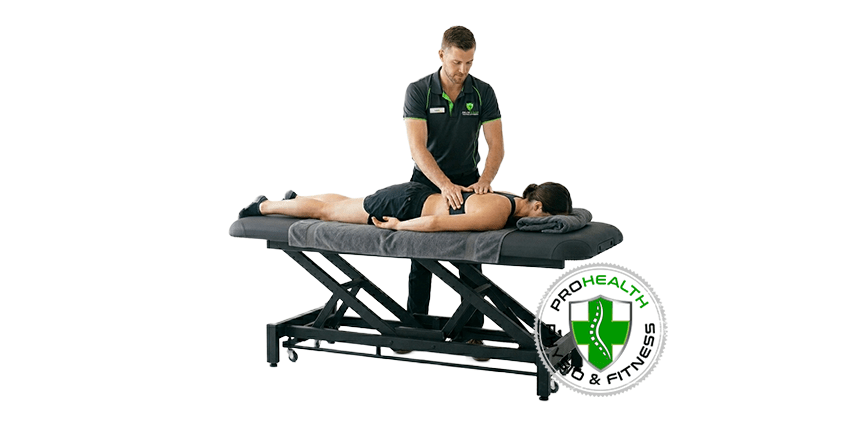
Manual therapy describes hands-on techniques such as joint mobilisation and soft-tissue treatment. It may be considered for symptom relief or movement difficulties, depending on the condition, preferences and assessment. It is one possible part of care rather than a guaranteed fix.
Start with the purpose
Discuss the symptom or task you want help with, the expected benefit and how it will be reviewed. Your physiotherapist can explain the proposed technique, relevant risks and alternatives. You can ask questions, decline a technique or ask for it to stop.
Combine suitable options
A plan may include advice, exercise and changes to activity, with hands-on treatment when appropriate. For example, NICE guidance for low back pain considers manual therapy within a wider package including exercise. That guidance should not be interpreted as proof that every technique works for every diagnosis.
Avoid structural promises
Temporary changes in pain or movement do not establish that a joint has been put back into alignment or that a tissue has healed. A possible dislocation, fracture or significant injury needs appropriate medical assessment rather than routine manipulation.
Choose care around your needs
Massage and other hands-on approaches vary by practitioner, purpose and training. A blanket claim that one profession’s treatment is always superior is not useful. Ask about assessment, suitability and the plan for your particular concern.
Review progress
There is no fixed need for endless passive treatment. Review symptoms, function and your goals and discuss what you can manage independently. Tell the clinician about new symptoms or a relevant health condition before treatment.
Frequently asked questions
Does manual therapy put my spine back in place?
Routine symptom relief or a change in movement does not show that a spine needed realignment. A true dislocation or significant injury needs appropriate medical care.
Is manual therapy always better than massage?
The useful choice depends on the concern, assessment, practitioner training and your preferences. Discuss the purpose and expected benefit rather than relying on a general ranking.
How many sessions will I need?
That depends on your needs and response. Agree review points and a plan for self-management rather than assuming a fixed ongoing schedule.
Support at PROHEALTH in Lane Cove
Our physiotherapists can assess your symptoms and discuss suitable hands-on, exercise and self-management options.
Call (02) 8317 7770 if you would like help choosing an appointment. Read our appointment FAQs before your visit.