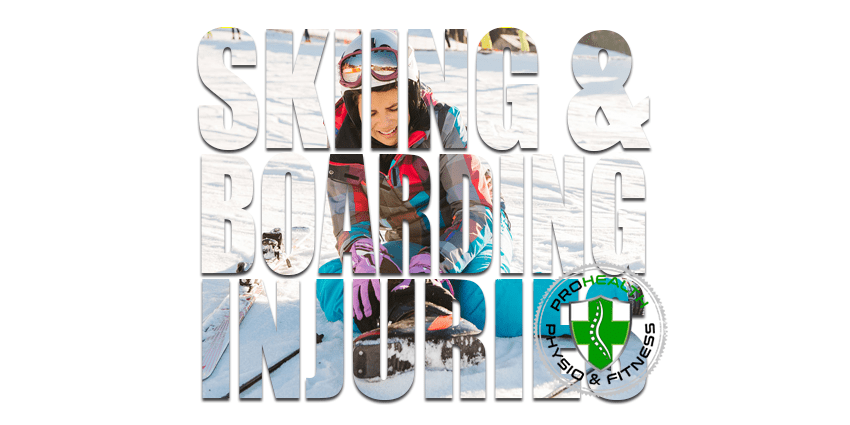
Falls and collisions while skiing or snowboarding can affect the knee, shoulder, wrist, thumb, back or head. Symptoms alone may not identify the injured structure. Assessment helps distinguish an injury needing urgent medical treatment from one suitable for rehabilitation.
Common areas affected
- Knee: ligament or meniscus injuries can cause pain, swelling or instability.
- Shoulder: falls can cause a dislocation, fracture or soft-tissue injury.
- Wrist and thumb: a fall may injure a bone or ligament; continuing to grip a pole does not rule out a significant injury.
- Back or neck: pain after a substantial fall needs an appropriate assessment.
What to do on the mountain
Stop and seek ski patrol or medical assistance if the injury is significant or you cannot move safely. Do not try to put a dislocated joint back into place. A deformity, inability to bear weight, loss of sensation or a possible head, neck or spinal injury needs urgent assessment.
Suspected concussion
A possible concussion means stopping sport and getting medical assessment. A helmet does not rule it out. Do not return to the slopes on the day of a suspected concussion; follow the treating medical team’s return-to-activity guidance. Call 000 for an emergency or deteriorating symptoms.
Rehabilitation after assessment
Depending on the diagnosis, rehabilitation may include restoring comfortable movement, progressive strength, balance and practice of relevant tasks. Fractures, dislocations and some other injuries require medical care alongside physiotherapy. A return to skiing or snowboarding should reflect function and the treating team’s advice, rather than a fixed recovery deadline.
Frequently asked questions
Can a physiotherapist assess pain after a ski holiday?
Yes, a physiotherapist can assess musculoskeletal symptoms and advise on rehabilitation or the need for medical review. Urgent symptoms should be assessed promptly rather than waiting until the holiday ends.
Can I keep skiing if my knee feels unstable?
Stop and seek an assessment. Continuing when the knee gives way or you cannot control movement may add risk.
Does every snow-sports injury need surgery?
No. Treatment depends on the diagnosis, severity and your needs. Some injuries require a medical or surgical opinion; others can be managed with rehabilitation.
Support at PROHEALTH in Lane Cove
Our physiotherapists can help with assessment and rehabilitation after a snow-sports injury, working alongside medical care when required.
Call (02) 8317 7770 if you would like help choosing an appointment. Read our appointment FAQs before your visit.