
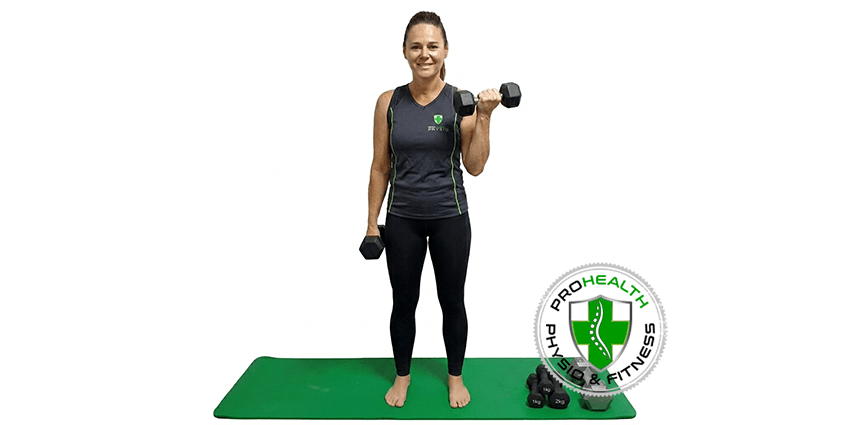
Feeling anxious from time to time is a normal part of life. However, when anxiety becomes frequent or starts affecting your work, relationships, sleep, or daily activities, it can be difficult to manage. Many people are surprised to learn that anxiety and exercise are closely linked. Regular physical activity may help reduce anxiety symptoms, improve mood, and support overall mental wellbeing.
At PROHEALTH PHYSIO & FITNESS (EP), we understand that mental and physical health are closely connected. Exercise is widely recognised as an important component of a healthy lifestyle and may play a valuable role in supporting people experiencing anxiety. While exercise is not a cure for anxiety, it can be an effective strategy alongside appropriate healthcare, psychological support, and healthy lifestyle habits.
Direct Answer: Can Exercise Help Anxiety?
Yes, regular exercise may help reduce anxiety symptoms by promoting the release of mood-supporting chemicals in the brain, improving sleep quality, reducing muscle tension, and providing a healthy outlet for stress. Although exercise is not a standalone treatment for anxiety disorders, it can form an important part of an overall mental health management plan.
What Is Anxiety?
Anxiety is the body's natural response to stress, uncertainty, or perceived threats. It can involve feelings of worry, nervousness, fear, or apprehension.
Common Symptoms of Anxiety
- Excessive worrying
- Feeling restless or on edge
- Increased heart rate
- Muscle tension
- Difficulty concentrating
- Sleep disturbances
- Fatigue
- Irritability
Every person's experience with anxiety is different. Symptoms can range from mild and occasional to more severe and persistent.
How Are Anxiety and Exercise Connected?
Research suggests that regular physical activity may positively influence both the physical and psychological factors associated with anxiety.
Exercise May Help By:
- Reducing stress hormones
- Increasing the release of endorphins and other mood-supporting neurotransmitters
- Improving sleep quality
- Reducing physical tension
- Building confidence and self-efficacy
- Providing a positive distraction from anxious thoughts
Exercise can also promote social interaction when performed in group environments, which may further contribute to improved mental wellbeing.
Benefits of Exercise for Mental Health
Beyond helping manage anxiety symptoms, regular exercise may support overall mental health in several ways.
Improved Mood
Physical activity stimulates the release of chemicals such as endorphins, dopamine, and serotonin, which can contribute to enhanced mood and emotional wellbeing.
Better Sleep Quality
Sleep difficulties are commonly associated with anxiety. Regular physical activity may help improve sleep patterns, making it easier to fall asleep and stay asleep.
Reduced Muscle Tension
Anxiety often manifests physically through tight muscles, headaches, jaw tension, and neck discomfort. Exercise and movement may help reduce these symptoms and improve comfort.
Enhanced Resilience
Developing a consistent exercise routine can improve confidence, promote a sense of achievement, and help individuals feel better equipped to cope with stressors.
Better Physical Health
Regular movement supports cardiovascular fitness, muscle strength, mobility, and general health, all of which contribute to overall wellbeing.
What Types of Exercise May Help Anxiety?
There is no single best exercise for anxiety. The most effective activity is typically one that you enjoy, can perform safely, and can maintain consistently.
Walking
Walking is one of the most accessible forms of exercise. Even a moderate-paced walk may help reduce stress levels and improve mood.
Strength Training
Resistance training may support physical function, confidence, and overall wellbeing. Programs should be tailored to your individual abilities and goals.
Cycling
Cycling provides cardiovascular benefits while allowing individuals to enjoy outdoor environments, which many people find relaxing and restorative.
Swimming
Swimming combines aerobic exercise with rhythmic breathing and may be particularly suitable for individuals with joint pain or mobility limitations.
Yoga and Mindful Movement
Yoga incorporates physical movement, controlled breathing, and mindfulness. Many people find yoga particularly beneficial for managing stress and anxiety symptoms.
How Much Exercise Is Recommended?
According to Australian physical activity guidelines, most adults should aim for:
- 150 to 300 minutes of moderate-intensity physical activity each week, or
- 75 to 150 minutes of vigorous-intensity physical activity each week
- Muscle-strengthening activities on at least two days per week
These recommendations may need to be modified depending on your fitness level, injuries, medical history, or health goals.
If you're new to exercise, starting small is often the best approach. Consistency is usually more sustainable than attempting major changes all at once.
Can Exercise Physiology Help With Anxiety?
An Accredited Exercise Physiologist (AEP) is a university-qualified allied health professional who specialises in exercise prescription for people with various health conditions.
An AEP May Help By:
- Assessing your current activity levels
- Identifying barriers to exercise participation
- Developing an individualised exercise program
- Supporting safe and progressive exercise
- Encouraging long-term healthy habits
For individuals whose anxiety affects motivation, confidence, or participation in physical activity, structured professional support can make it easier to establish a sustainable routine.
Can Physiotherapy Help if Anxiety Affects Your Body?
Anxiety frequently contributes to physical symptoms, including:
- Neck pain
- Shoulder tension
- Jaw tightness
- Headaches
- Breathing pattern changes
- Persistent muscle tension
A physiotherapist can assess these physical symptoms and develop strategies to reduce discomfort and improve movement.
Physiotherapy Management May Include:
- Exercise prescription
- Mobility and stretching exercises
- Postural education
- Breathing retraining
- Advice regarding activity modification and symptom management
Treatment recommendations will always depend on your individual assessment findings and goals.
Practical Ways to Start Exercising When You Feel Anxious
Getting started is often the most difficult step.
Consider these simple strategies:
- Begin with short sessions of five to ten minutes.
- Choose activities you genuinely enjoy.
- Exercise with a friend or group if social support is helpful.
- Set realistic and achievable goals.
- Focus on consistency rather than intensity.
- Celebrate small milestones.
- Seek professional guidance if you're unsure where to start.
Remember that benefits often develop gradually. Small, consistent efforts can lead to meaningful long-term results.
When Should You Seek Professional Advice?
Consider seeking professional support if:
- Anxiety symptoms are ongoing or worsening
- Anxiety is affecting work, study, or relationships
- You are avoiding activities you previously enjoyed
- Physical symptoms continue to increase
- You feel unable to manage symptoms on your own
A qualified healthcare professional can help determine the most appropriate management approach based on your individual circumstances.
When Is Urgent Medical Attention Needed?
Seek immediate medical assistance if you experience:
- Thoughts of self-harm
- Thoughts of suicide
- Severe distress that feels overwhelming
- Chest pain or symptoms that could indicate a medical emergency
If you are concerned about your safety or someone else's safety, contact emergency services immediately.
Frequently Asked Questions
Can Exercise Cure Anxiety?
No. Exercise is not considered a cure for anxiety. However, regular physical activity may help reduce symptoms, improve mood, and support overall mental health as part of a broader treatment and management approach.
How Quickly Can Exercise Help Anxiety?
Some people notice improvements immediately after exercise, while others experience gradual benefits over several weeks. Results vary depending on factors such as consistency, exercise type, intensity, and overall health.
Is Walking Enough to Help Anxiety?
Yes, for many people walking can be an effective and accessible way to support mental wellbeing. Regular walking may help reduce stress and contribute to improved physical and mental health.
What if Anxiety Makes It Difficult to Exercise?
Starting with very small amounts of activity can be helpful. A physiotherapist or Accredited Exercise Physiologist can assist with developing realistic and achievable strategies tailored to your circumstances.
Should I Exercise During Periods of High Stress?
Many people find gentle to moderate exercise beneficial during stressful periods. However, exercise should always be appropriate for your health status and fitness level. Seek professional advice if you are unsure.
Why Choose PROHEALTH PHYSIO & FITNESS (EP)?
At PROHEALTH PHYSIO & FITNESS (EP), our experienced physiotherapists and Accredited Exercise Physiologists work collaboratively to support both physical and mental wellbeing.
Whether you're:
- Returning to exercise after a period of inactivity
- Managing stress-related physical symptoms
- Looking for a tailored exercise plan
- Seeking support to build long-term healthy habits
Our team can provide a comprehensive assessment and personalised recommendations designed around your goals and lifestyle.
Need Help?
If anxiety, stress, or physical symptoms are affecting your quality of life, PROHEALTH PHYSIO & FITNESS (EP) is here to help.
We support individuals across Lane Cove, Sydney, and surrounding areas with evidence-informed physiotherapy and exercise physiology services tailored to their needs.
Further Information:
Source: Healthdirect Australia
Title: Anxiety
Read time: Approximately 6 minutes
Source: Better Health Channel
Title: Exercise and Mental Health
Read time: Approximately 5 minutes
Source: Exercise & Sports Science Australia
Title: A Stronger, healthier Australia
Read time: Approximately 4 minutes